

Everywhere you go, you see signs. On roads, on buildings, and even inside places like schools, gyms, or business parks. They tell you everything from what speed to go, how deep water is, and give you instructions about the world around you. They can even save your life!
Signage is so deeply embedded into our daily lives that we rarely stop to think about where it came from. Who came up with the idea of putting messages on display, and how have signs evolved over time into the signs we recognise today? Well, buckle up, because it’s time for a history lesson!
The World’s First Sign
It can be a bit of a challenge to work out when something was first done, especially if written records aren’t fantastic. But the first sign we’ve found dates back to the Palaeolithic age, which is about 18,000 BC. Simplistic signs were painted onto cave walls or pieces of stone and used to communicate messages. There’s also evidence that they were used as part of ritualistic and spiritual ceremonies of the time. But these signs were akin to cave paintings, and a far cry from modern signage.
It wasn’t for several thousand years, until the Romans came along, when things changed again. They saw the true potential in signs and started using them to mark roads. Because they could use carvings, bright paint, ornamental iron and even gilding, making the most elaborate sign became a competition between merchants, and the roads in and between towns were adorned with beautifully decorated signs.
Signs As Advertising
In 1393 we see the first real use of signs for advertising purposes, and it didn’t come about as you would think. King Richard II wanted to crack down on landlords brewing and selling their own ale without oversight, or paying the appropriate taxes. So he signed a law stating that any establishment brewing or selling ale had to display a sign outside. To be specific, it said:
“Whosoever shall brew ale in the town with intention of selling it must hang out a sign, otherwise he shall forfeit his ale.”
This was so that inspectors could see where ale was being sold. Since ale was cleaner and safer to drink than water during this time, it was incredibly important that the locals knew where to access it.

Pub Quiz!
Here’s a fun piece of trivia for you. Did you know that, following King Richard II’s law, the most popular pub sign was an image of an animal? That’s because most people at this time were illiterate, so they wouldn’t be able to read the signs to find out the pub names. So, landlords used a system of animals and colours so that people could identify different pubs by their animals – for example, ‘The Red Lion’ or ‘The Black Bull’. As more people learned to read the names branched out, but it’s a tradition that still stands to this day!
Rules, Rules. Rules!
It wasn’t until the early 1700s that the first rules were put in place around signs. Large signs hung too far into narrow streets and were causing injuries, so a law was passed to limit how far a sign could extend from a wall. This forced many businesses to remove their signs or fix them flat against a wall for the safety of those passing underneath. Since then, more and more rules have been added to ensure safety, as well as minimize offence and keep things consistent for official signage.
Let There Be Light
Around the mid-1800s, another significant moment in sign history happened. Conscious that their signs couldn’t be seen at night and concerned that they might be missing out on valuable business, pub owners and other businesses began lighting up their signs using gas lights. This made them more visible and proved an incredibly popular idea across the continent.
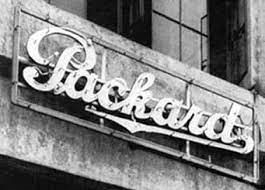
When the electric light changed the game once again, inventions like the neon light and tube lights quickly followed on its heels. When an American car salesman ordered the first neon sign to promote his dealership, he started a bright and glowing trend that spread across the world.
Wartime Improvements
World War II was responsible for a lot of changes and advancements in the world, and one of the better outcomes was a dramatic improvement in the manufacturing of plastics and other man-made fibres. Signs could now be made from plastic and metal, and were much easier to mass-produce products at an affordable price. Which meant a dramatic increase in signs! At this point, the only limit was imagination.
Looking back at all that, one thing is clear. The use of symbols in daily human life is just as strong now as it was in our cave-dwelling ancestors. Creating signs as a way to communicate complex messages in a simple way is in our blood, and we have no doubt that it will continue to evolve with us.
If you’d like to see what the modern world of signage looks like, why not get in touch and request a site survey or online meeting to discuss options? Or if you have something more specific in mind, you can always speak to one of our expert sign designers and installers.